
Heritage Services
We specialise in delivering comprehensive heritage consultancy services offering clear advice that is tailored to your aims and your site.
Projects are handled by seasoned professionals with experience across both architecture and the heritage sector, bringing a thoughtful, practical and well-rounded perspective to each project.
-
Before committing to the purchase of a property with heritage designations, it is important to understand the relevant heritage constraints and opportunities. This early advice can help clarify which proposals may be acceptable to the local planning authority and inform your decision before you proceed.
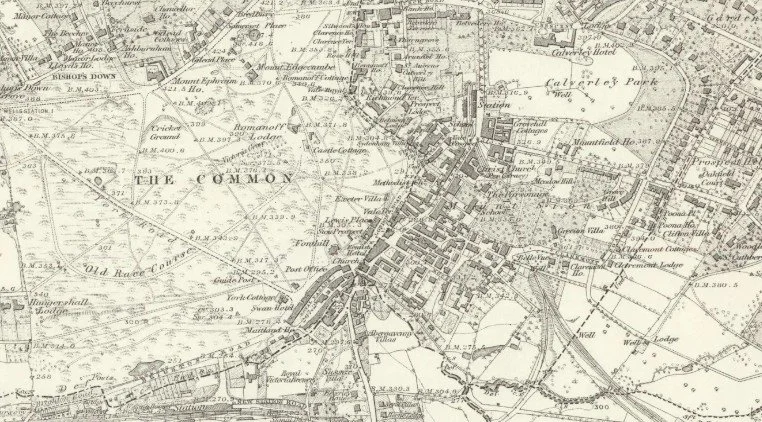
This service usually begins with a desk-based review of the property, including its planning history, historic mapping and relevant local policy. We can then meet you on site to discuss the property, your aims and any proposals you may be considering.
-
We help clients navigate the planning system where unauthorised works have been identified. These are works carried out without the necessary consents in place and may result in council enforcement action. We can advise on how best to regularise the unauthorised work(s), which may involve a combination of remedial works and retrospective proposals to support a well-balanced application.
-
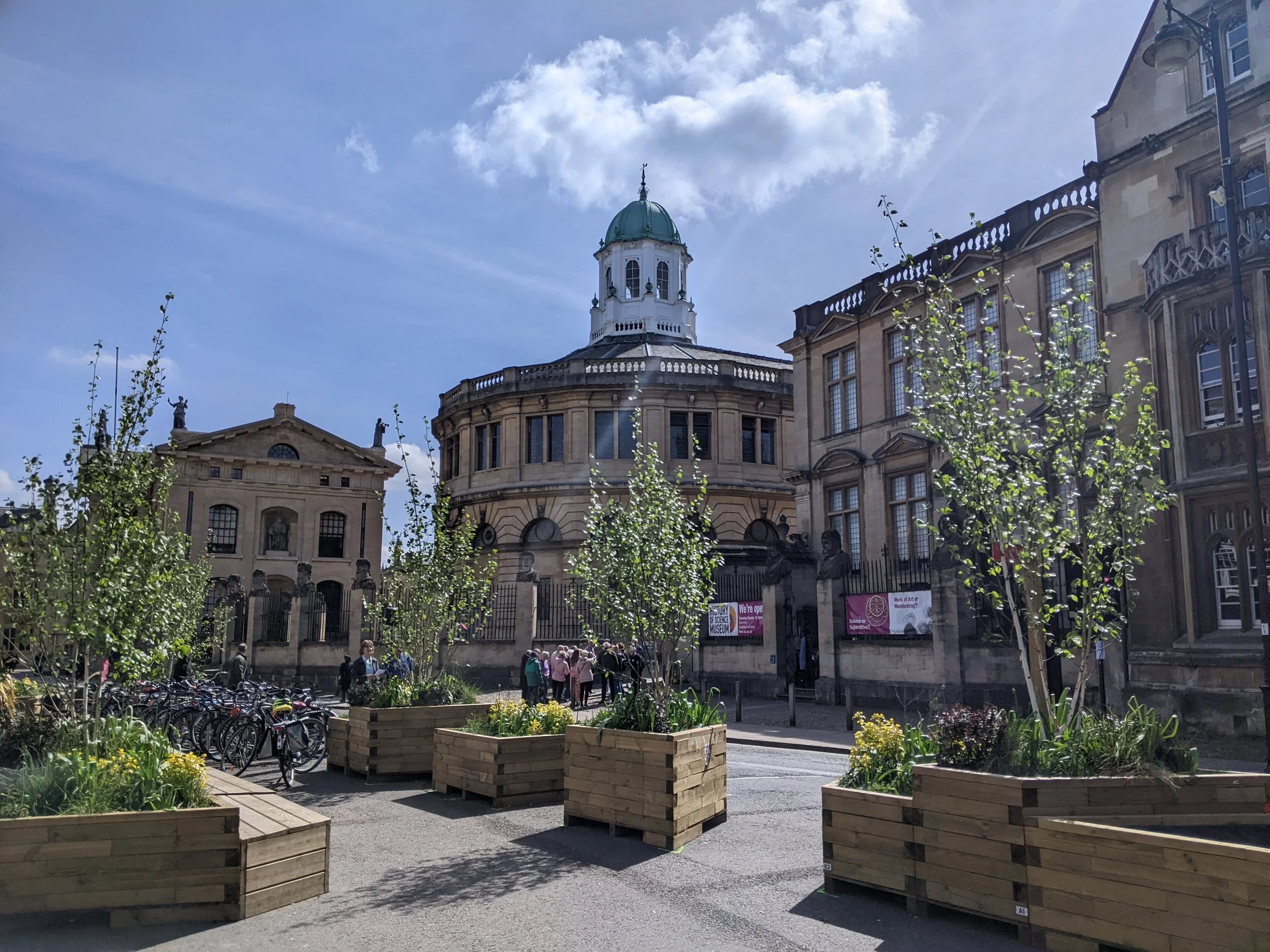
Proactive engagement with the council can be highly beneficial and help streamline the planning process. Pre-application consultation is particularly valuable for projects involving more complex design proposals or heritage constraints. Maintaining open lines of communication with the council can help reduce uncertainty, avoid delays later in the process and build trust between officers and the design team.
We can submit pre-applications and householder listed building consent applications.
-
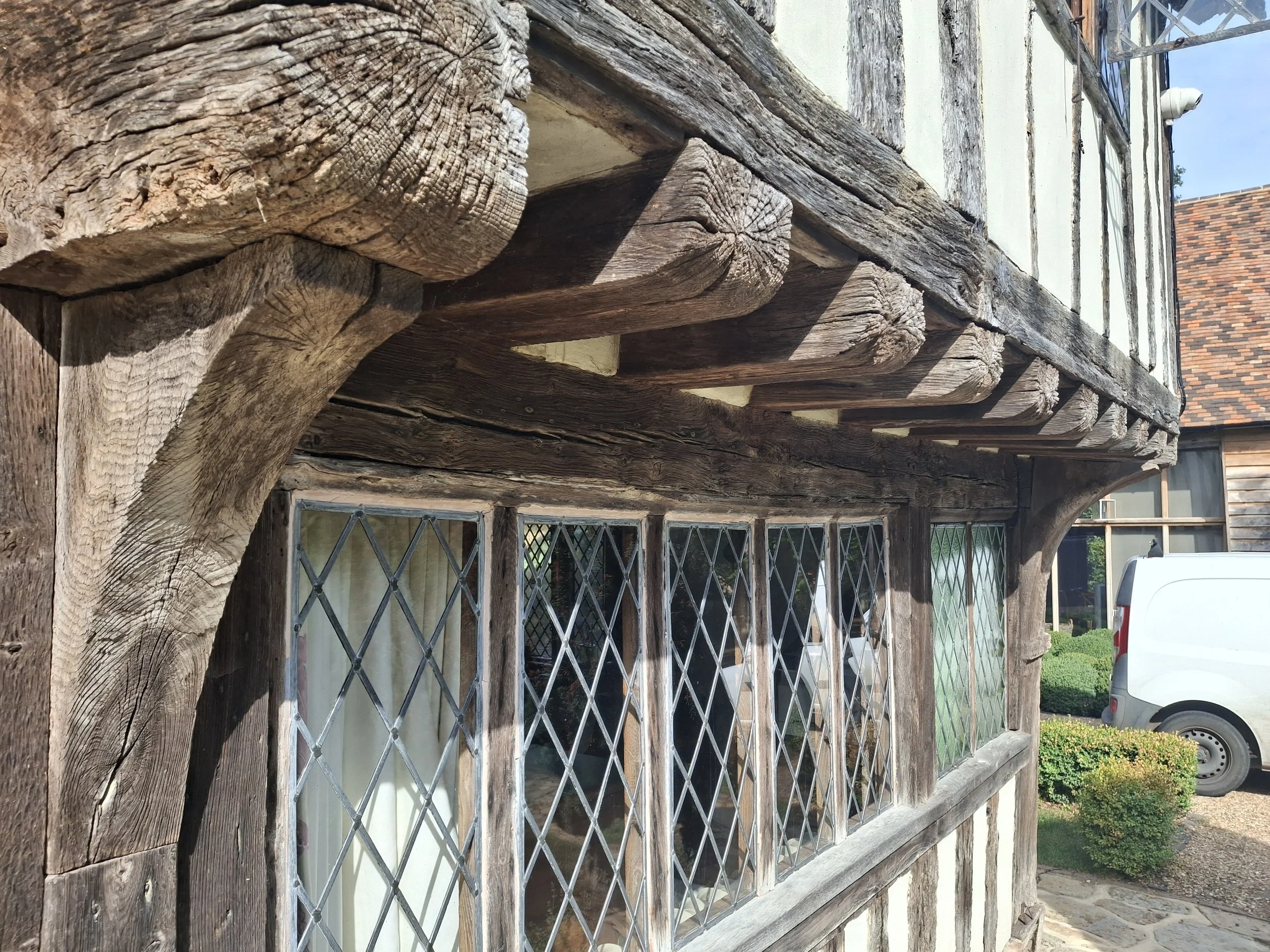
Where possible, heritage input should be sought at the early design stage so that any heritage constraints can be identified and used to inform the scheme from the outset. This supports a heritage-led approach, helping to shape robust proposals and streamline the planning process.
We help identify proposals that could place your application at risk and recommend appropriate mitigation measures where needed.
-
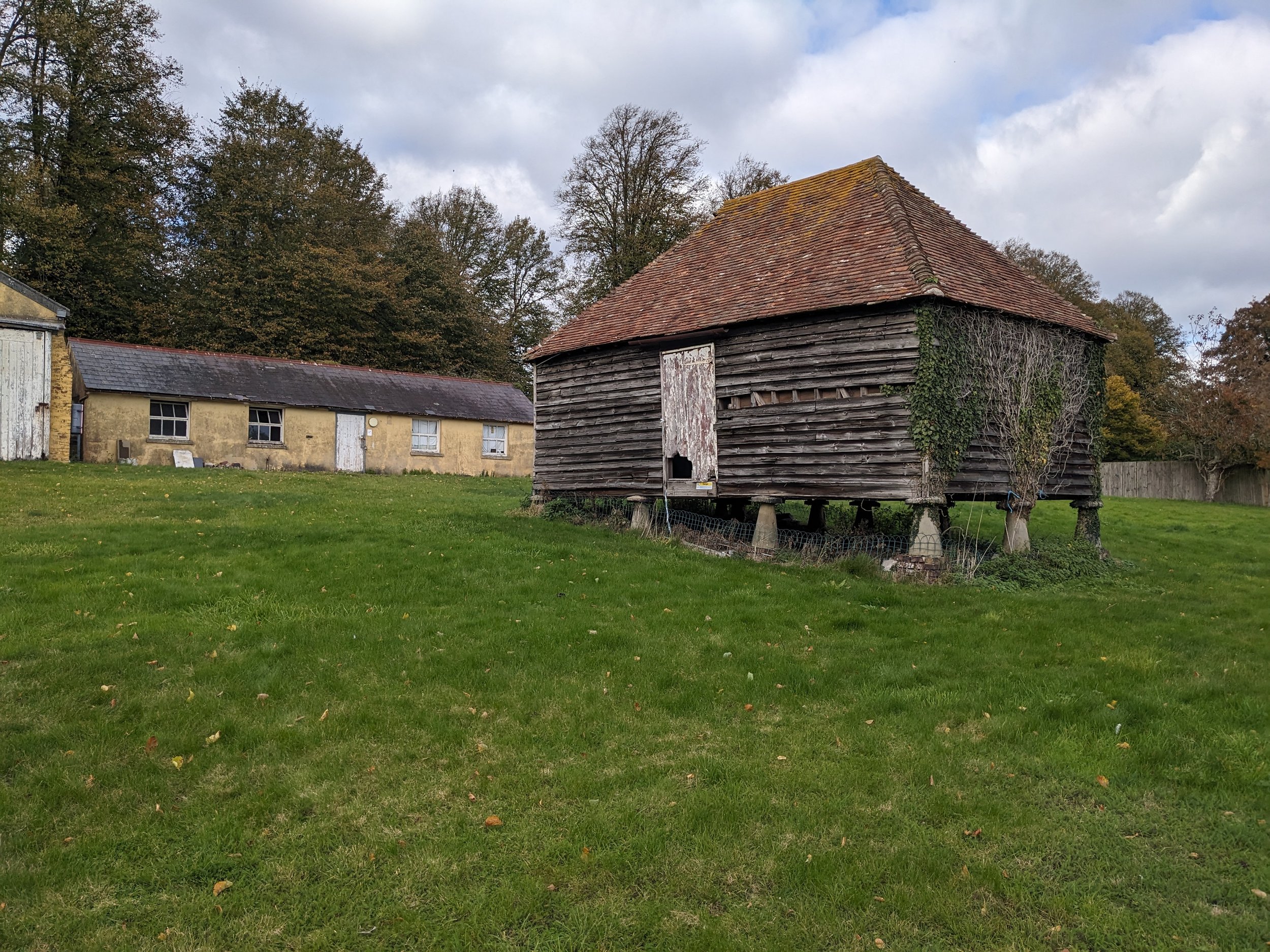
We can help determine whether a building or structure on your site may be ‘curtilage listed’ and, where a council has raised this as a potential issue, prepare a concise statement setting out our assessment. This includes researching the provenance of the structure and assessing it against Historic England’s criteria for curtilage. If a structure is deemed to be within the curtilage of a listed building, it requires listed building consent for both internal and external alterations.
-
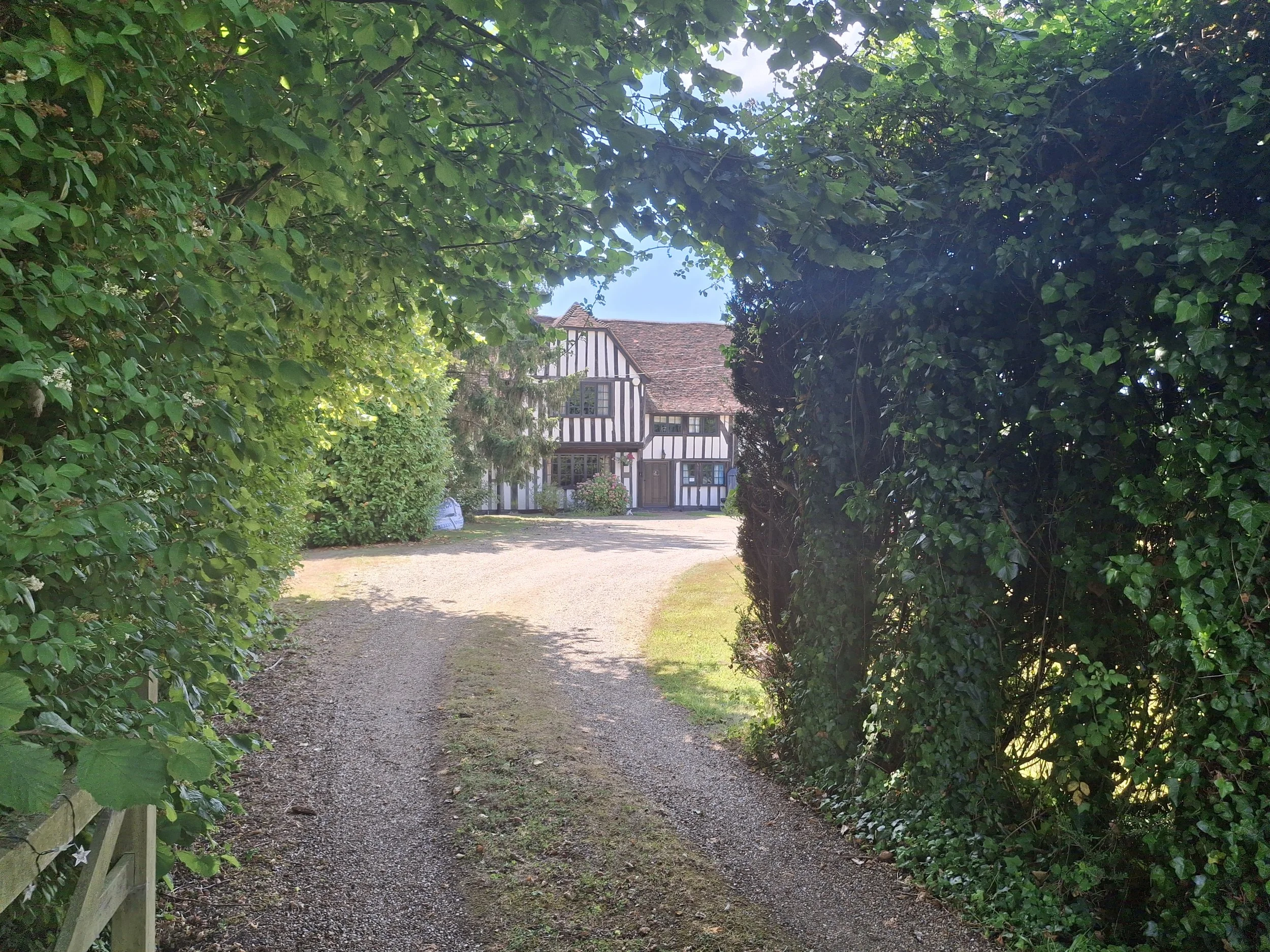
Morphological plans clearly illustrate how a building has evolved over time. They are particularly useful where a building has undergone several phases of alteration and can help inform design proposals by identifying areas that may be less sensitive to change. Morphological plans are often included within Heritage Statements, where they provide a visual reference to support the assessment and explanation of a building’s development.
-
Heritage Statements are commonly required for projects involving designated or non-designated heritage assets. Our reports are tailored to the needs of each project and are proportionate to the scale of the proposed development and the significance of the heritage asset(s) affected.
Reports we provide include:
· Heritage Statements
· Heritage Appeal Statements
· Professional objection letters for live applications
· Heritage visual impact assessments for developments affecting historic townscapes
Our reports typically include a site assessment, review of historic map progression, assessment of significance and consideration of potential impacts.
-
Where possible, heritage input should be sought at the early design stage so that any heritage constraints can be identified and used to inform the scheme from the outset. This supports a heritage-led approach, helping to shape robust proposals and streamline the planning process.
We help identify proposals that could place your application at risk and recommend appropriate mitigation measures where needed.
-
Planning decision notices sometimes require further documentation to be submitted to and approved by the council, often before works can begin, known as pre-commencement conditions. Where conditions relate to heritage matters, we can provide guidance and prepare the necessary supporting documents to help discharge them. Typical documents we can prepare include:
· Method Statements
· Building Recording
· Schedule of Opening-up